Lessons From the Van: Five Small Near-Misses That Change How You Run Jobs
Five everyday field-service near-misses and simple habits that help tradespeople protect time, records, schedules, and payments.
· 5 min read
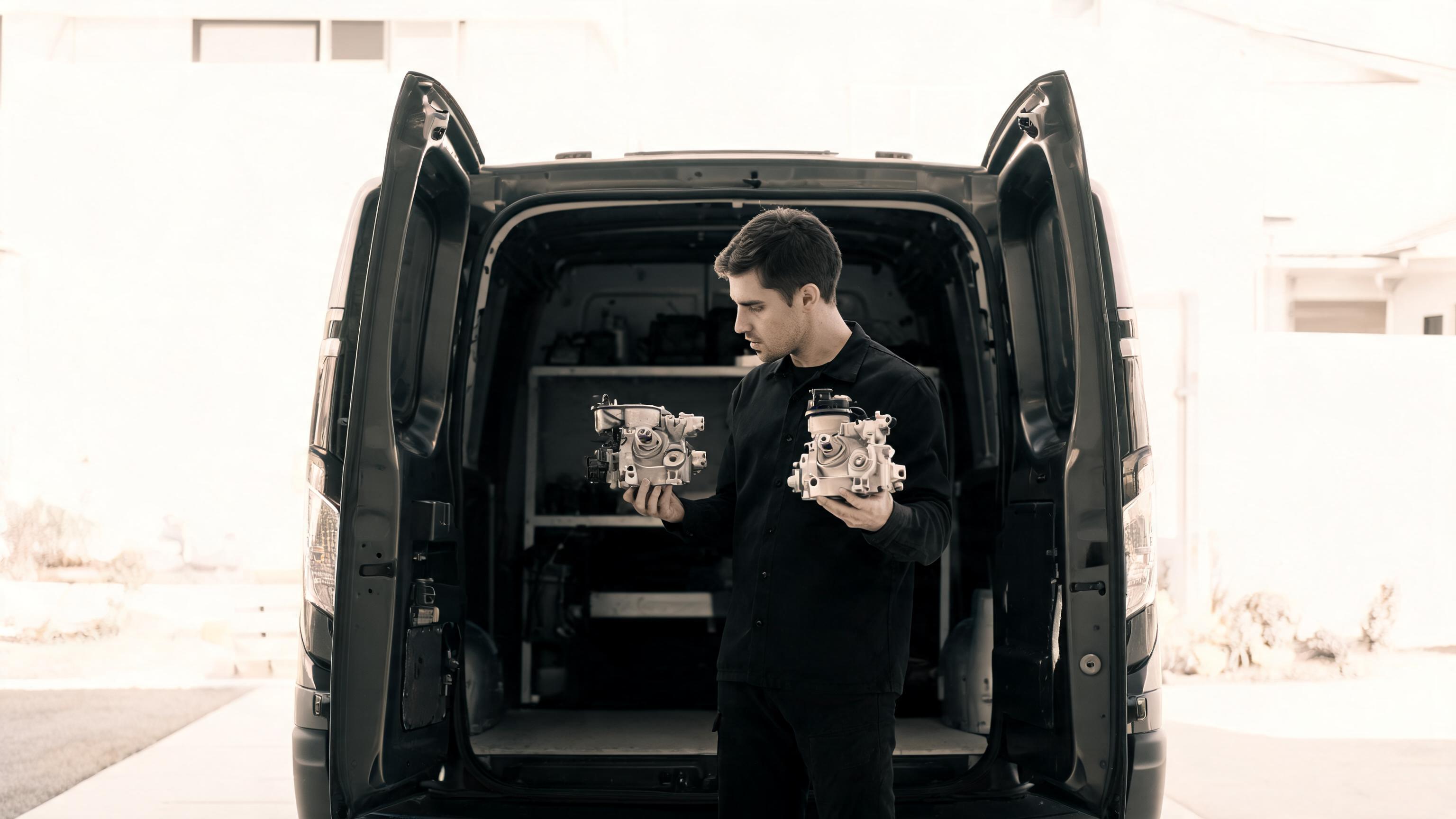
The van is where many field-service lessons happen. Not during the big breakdowns, but in the small moments: the part left on the bench, the customer’s gate code forgotten, or the invoice that was meant to be sent later.
These are anonymised near-misses from the kind of work plumbers, electricians, appliance repairers, and property maintenance crews handle every day. Nobody was trying to be careless. The problem was usually a rushed handover between the job, the van, and the office work that follows.
The useful question is not, “Who made the mistake?” It is, “What small habit would make this less likely next time?”
1. The wrong part nearly made a second trip necessary
A technician arrived to replace a faulty appliance component. The customer had given the model number by text, but one digit was unclear. The part looked right, fitted the brand, and was already in the van. A closer check of the appliance label showed a different revision.
The job was not lost, but the visit became an inspection instead of a repair. The customer needed another appointment, and the technician had to rearrange the rest of the day.
The better habit
Before loading a part, record the model and serial number from the appliance itself. Add a clear photo of the label to the job record, along with the customer’s description of the fault. A voice note can also capture details while your hands are busy.
This gives you something better than memory when ordering parts, checking compatibility, or explaining why a repair needs another visit.
2. A completed job was hard to invoice because the details stayed in the van
On a small plumbing repair, the work was finished cleanly. The customer was happy and said they would settle the invoice that evening. The technician planned to write it up after the next two jobs.
By the end of the day, the exact fitting used, the time spent, and the extra work agreed on site were no longer fresh. The invoice went out late and needed a follow-up message to clarify the labour and materials.
The lesson is simple: a finished job is not fully finished until the record is complete. A quick record made while you are still at the property is usually more accurate than a detailed reconstruction at night.
For a practical workflow, see Invoice before you leave the driveway. The aim is not to rush the customer. It is to close the loop while the work is still clear in your head.
3. The schedule had a gap that was not really a gap
A property maintenance crew saw an open slot in the calendar and accepted a small urgent job. Later, they remembered that the original morning visit included travel, collecting materials, and a return visit to finish a separate task.
The calendar showed availability, but the day did not have enough usable time. The result was a late arrival and a rushed final job.
The better habit
Schedule the whole job, not only the time spent using tools. Include travel, collection time, access delays, cleanup, and any promised follow-up. If the job is likely to need a second visit, put that possibility in the record before accepting another booking.
A simple note such as “allow 30 minutes for parts collection” can prevent an open-looking slot from becoming an overloaded one.
4. A customer question exposed a missing before-and-after record
After an electrical repair, a customer called to ask whether a damaged cover had been replaced or only secured. The technician remembered checking it, but there was no photo or note showing its condition before and after the work.
It took several messages to establish what had happened. A pair of quick photos would have answered the question immediately.
Photos do not need to be dramatic or numerous. Capture the relevant condition before work, the important step during the job, and the completed result. Add a short note explaining what each image shows. This is especially useful for hidden leaks, damaged cables, appliance panels, meter readings, and areas that may look different after repair.
5. The payment conversation came too late
One technician finished a callout and left after hearing, “Send the invoice over and I’ll take a look.” The invoice was sent two days later because the evening became busy. When the customer replied with a question about the total, the technician had to search through messages and bank details before answering.
No one had intended to avoid the payment conversation. It simply happened after the useful moment had passed.
The better habit
Confirm the total, payment method, and any agreed next step before leaving. If appropriate, send the invoice or payment link while you are still at the property. You can read more about the workflow in Fature antes de sair da casa do cliente, or use the English Visitio blog for more field-service guidance.
Being clear about payment is not pushy. It is part of making the job easy to close for both sides.
A five-minute van reset
At the end of the day, or before starting the next job, use a short reset to catch the details that otherwise disappear into the van.
- Check that every completed job has a short work summary.
- Attach the important photos, model numbers, serial numbers, or meter readings.
- Record materials, labour, and any variation from the original scope.
- Confirm whether the invoice has been sent and whether payment is pending.
- Review tomorrow’s jobs, travel time, access details, and parts needed.
This does not require a perfect office routine. It is a practical pause between field work and the next decision. With Visitio, you can keep job photos, estimates, invoices, payments, customer history, and scheduling on your phone, including when you are working offline.
One useful step to take today
Open your next completed job in Visitio and add three things before moving on: one clear work summary, one relevant photo, and the invoice status. If those details are already there, your next step is easier: send the invoice or payment link before the job fades into the rest of the day.
Small habits in the van prevent bigger explanations later. #invoice