Lessons From the Van: Small Habits That Prevent Expensive Mistakes
Practical van habits for solo tradespeople that reduce missed details, unclear scope, repeat visits, and delayed invoices.
· 4 min read
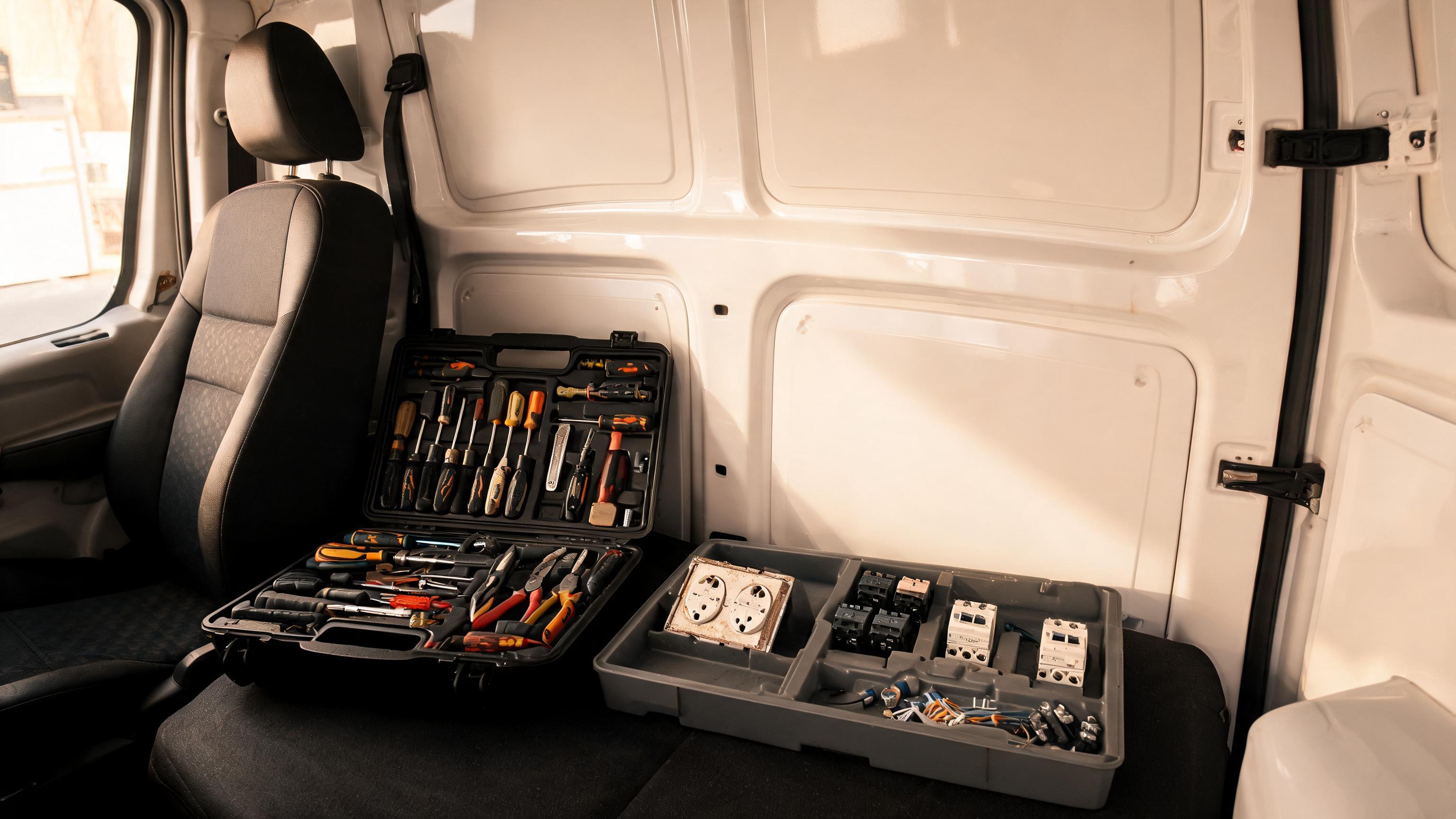
The van is more than transport. For a solo tradesperson, it is the place where job details, spare parts, tools, paperwork, and half-finished thoughts tend to collect. That makes it useful—but it also makes it easy to lose track of something important.
A missed photo, an unrecorded model number, or a promise made at the door can turn a straightforward job into a second visit, an awkward client call, or a delayed invoice. The fix is rarely a complicated system. It is usually one small habit repeated at the right moment.
Here are practical lessons from field work that can make your next job easier to finish and easier to bill.
Use the van as a reset point
Many mistakes happen in the few minutes between jobs. You are pulling away from one address while thinking about traffic, the next appointment, and the part you need to pick up. That is when details disappear.
Make the driver’s seat a reset point. Before you leave, take a minute to answer three questions:
- What was completed?
- What is still outstanding?
- What does the client need next?
Record the answers while they are fresh. A short voice note or a few lines in the job record is better than trusting your memory at the end of a long day. If the job needs a return visit, write down the exact reason, the required part, and any access information before starting the engine.
Photograph the detail you will forget
You do not need a gallery of every job. You need the few images that explain the condition of the work.
For plumbing and electrical work, that might mean the failed component, the connection before it is covered, or the completed repair. For appliance repair, photograph the model and serial label, the fault display, and any visible damage. For property maintenance, capture the area before and after the work.
A useful test is this: could another person understand what happened from the job record without calling you? If not, take one more photo or add a short explanation.
Clear evidence also makes the final bill easier to understand. Visitio’s guide on invoicing before you leave the driveway covers how to connect the completed work to payment while you are still on site.
Do not rely on “I’ll remember the part”
Parts are a common source of repeat visits. A customer describes a tap, motor, or appliance from memory, and the tradesperson assumes the replacement will be obvious. It often is not.
Before leaving to source a part, record:
- the manufacturer and model;
- the serial number when relevant;
- measurements or connection details;
- the symptom or fault code;
- photos of the existing part and surrounding area.
This is especially important for appliance repair. The model number may look similar to another version but require a different component. A clear record saves time at the supplier and gives you something reliable to refer to when the client calls later.
Turn verbal decisions into written scope
Customers often make decisions while you are standing in front of the problem: “Go ahead and replace it,” or “Can you also take a look at this?” Those conversations are normal, but they create risk when nothing is written down.
Before starting extra work, capture the change in plain language. Include what you will do, what is not included, and the expected price or pricing basis. If the final amount depends on parts or additional labour, say so clearly.
A quick estimate or scope note protects both sides. It also prevents the end-of-job conversation from becoming a surprise. Keep the wording practical rather than legalistic: describe the work as you understand it and ask the client to confirm.
Close the job before moving to the next one
A job is not fully closed when the tool is packed away. It is closed when the record is complete enough to support the next action.
Before driving off, check:
- The completed work is recorded.
- Photos, notes, and parts used are attached.
- Any recommendation or return visit is written down.
- The client has been told what happens next.
- The invoice or payment request is ready to send.
If reception is poor, record the details offline and sync later. The important thing is to capture the information at the job, not reconstruct it from memory that evening.
For more ideas on keeping field work connected to billing, browse the Visitio blog. You can also use the app to keep customer history, job photos, estimates, invoices, and payments together instead of spreading them across notebooks and messages.
Build one habit for tomorrow
Do not try to redesign your whole operation in one afternoon. Pick one point where mistakes usually begin and add a simple check there. It could be photographing the model label, recording extra work before starting it, or completing the invoice while you are still at the property.
Action for your next job: open the job in Visitio before you leave the address and add one photo, one completion note, and the next client action. That small record can save a return trip—and help you send a clearer invoice while the work is still fresh.
#invoice